


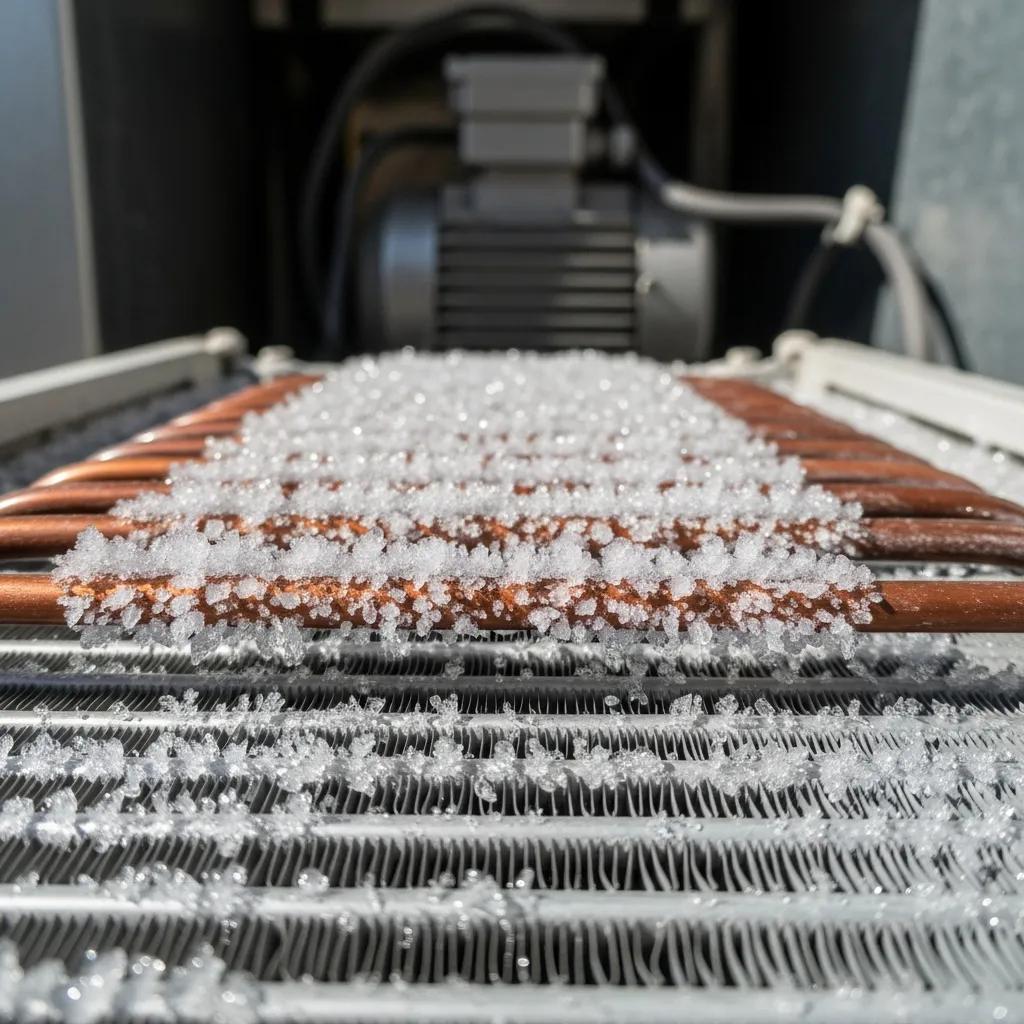
Why AC Coils Freeze — Causes, Fixes, and How to Prevent It
A frozen AC coil can quickly turn a comfortable home or business into an expensive headache. When coils ice over, your system cools poorly, works harder, and risks costly damage. This guide walks you through the common causes, how to spot the signs, simple steps you can take right away, and when to call in pros. If you’d like hands-on help, air conditioning services is a local HVAC team serving Killeen, TX — we’ll diagnose the root cause and get your system back to peak performance.
What usually causes an AC coil to freeze?
Coils freeze when something prevents the system from moving heat as it should. The three main triggers are dirty or blocked filters, low refrigerant, and restricted airflow. Any of these problems can make the evaporator coil fall below freezing and collect ice — which then makes the problem worse.
How do dirty air filters cause AC coils to freeze?
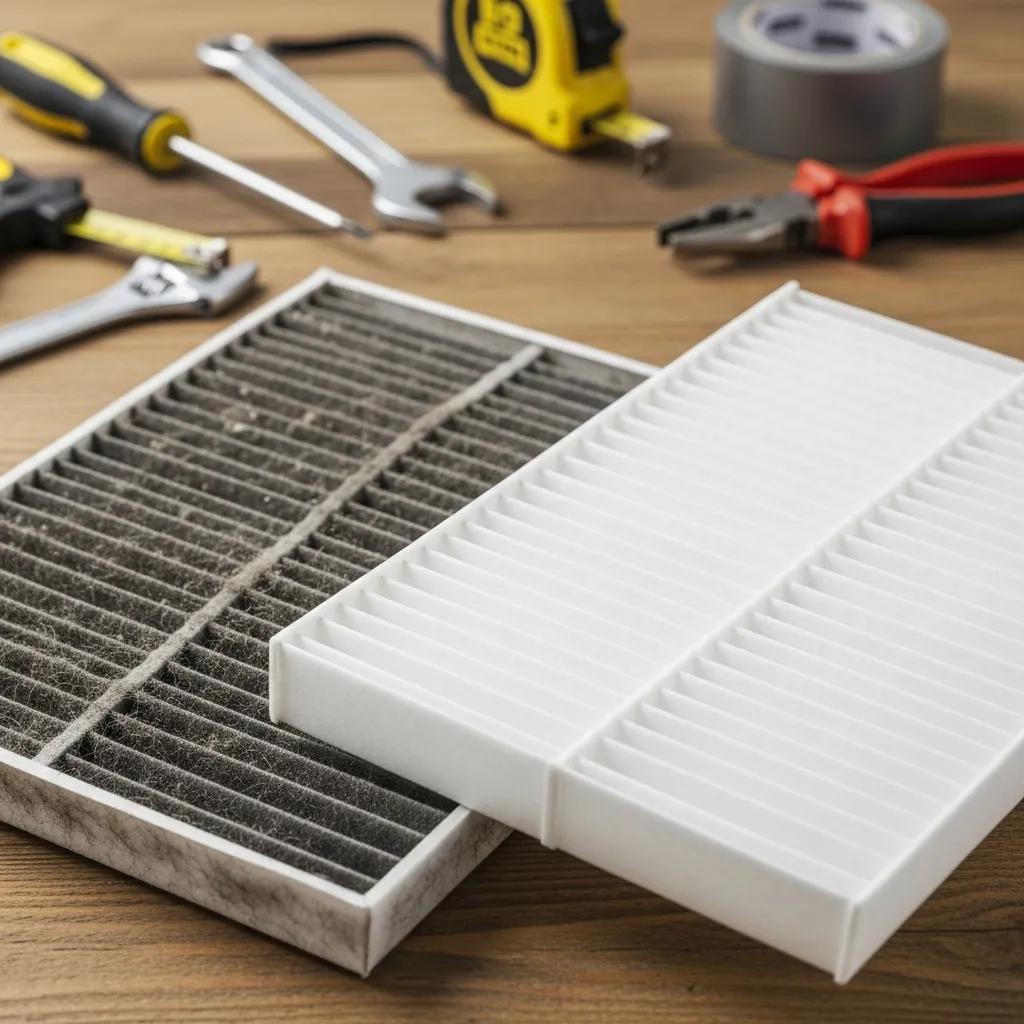
Dirty filters choke airflow. With less warm air moving over the evaporator coil, the coil’s temperature drops and moisture freezes on the surface. That ice blocks even more air, cutting cooling capacity and stressing the compressor. A routine filter change or cleaning keeps air flowing and dramatically lowers the chance of freezing.
Why does low refrigerant make my AC coil freeze?
Refrigerant carries heat out of your home. If levels are low — usually from a leak — system pressure falls and the evaporator coil gets too cold. That causes frost or heavy ice buildup. Fixing leaks and topping up refrigerant (by a licensed tech) restores proper pressure and prevents the coil from freezing again.
What are the signs of a frozen evaporator coil?
Catch freezing early and you can avoid bigger repairs. Look for visible ice on the coils or the refrigerant lines, weak airflow coming from vents, and rooms that aren’t cooling like they should. These are reliable clues that the coil may be iced over.
How can I tell if there’s ice or reduced airflow?
Inspect the indoor unit (power off first). If you see white frost or solid ice on the coil, that’s a clear warning. Also check vents — if airflow is noticeably weaker, the ice is likely blocking circulation. Regular visual checks and filter maintenance help you spot trouble before it grows.
What does it mean when my AC isn’t cooling and it has ice?
If your AC is running but rooms stay warm and the coil is iced, your system isn’t transferring heat properly. The culprit might be low refrigerant, clogged filters, or other mechanical issues. Turn off the system to let the ice melt and contact a technician to diagnose the underlying cause — continuing to run it can damage the compressor.
Can I fix a frozen AC coil myself?
There are safe, practical steps you can take at home to thaw the coil and get airflow back quickly. These DIY actions are good for short-term fixes and prevention, but persistent or repeating problems need a professional diagnosis.
Step-by-step: How to defrost your AC coil
To safely defrost a frozen coil, follow these steps:
- Turn Off the AC Unit: Cut power to avoid damaging the compressor while the coil thaws.
- Allow the Coil to Thaw: Let the ice melt naturally — this can take several hours. Don’t chip at the ice; that can harm the coil.
- Improve Airflow: Point fans toward the indoor unit and open vents to speed thawing and circulation.
- Check and Replace Filters: Inspect filters and replace any that are dirty to restore proper airflow.
These steps usually clear the immediate issue, but you should find and fix the root cause (filter, refrigerant leak, airflow restriction) to prevent a repeat.
When should I stop DIY and call a professional?
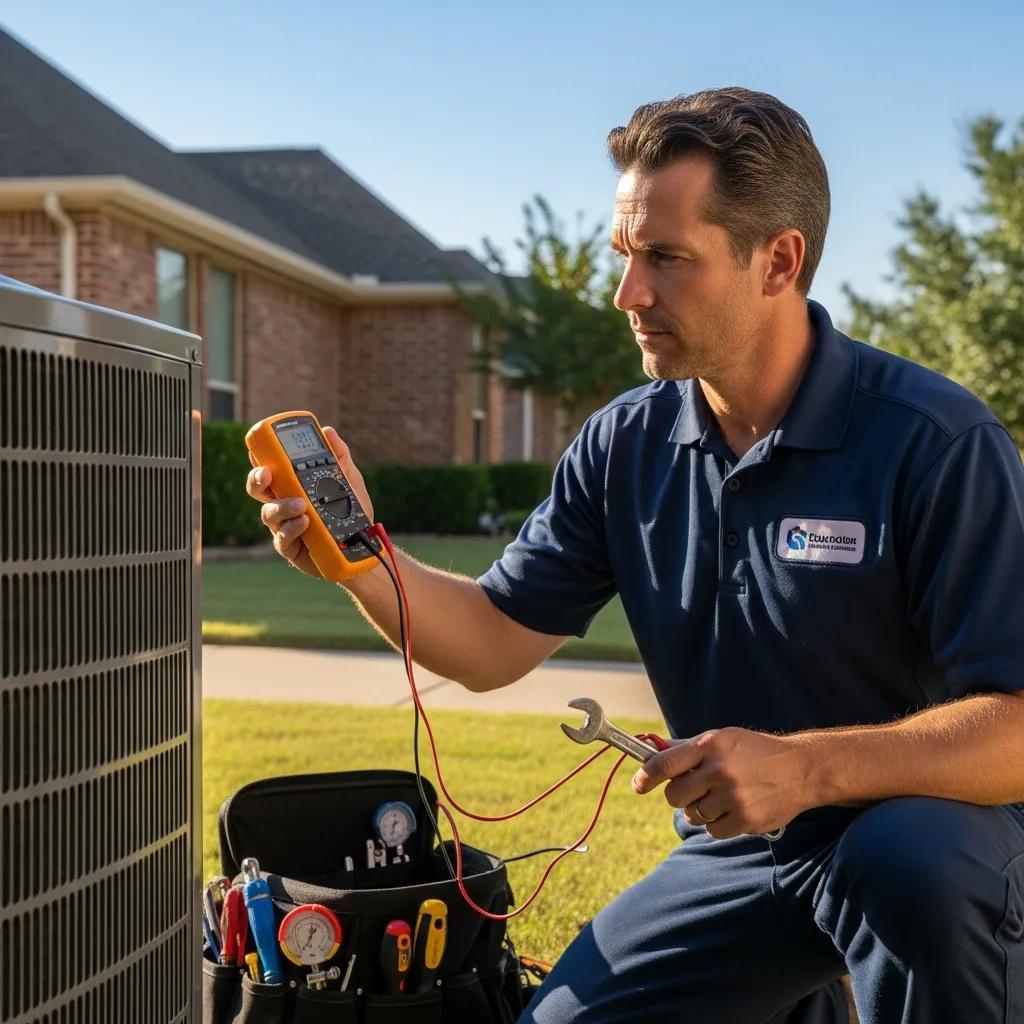
If the unit re-freezes after thawing, if you hear odd sounds, if cooling stops entirely, or if you suspect a refrigerant leak — call a licensed HVAC technician. Ongoing icing, persistent poor performance, or suspected leaks require tools and certifications professionals provide.
What professional services does The Coolest Air offer for frozen coils?
The Coolest Air handles everything from leak detection to coil cleaning and regular maintenance. Our goal is to stop the cycle of freezing and keep your system running efficiently season after season.
| Service | Description | Benefits |
|---|---|---|
| Refrigerant Leak Detection and Repair | Locate and repair leaks in refrigerant lines, then recharge the system to spec | Restores correct pressure and cooling performance, preventing freeze-ups |
| AC Coil Cleaning | Professional cleaning of evaporator and condenser coils to remove buildup | Improves airflow and efficiency, reducing the risk of ice formation |
| Maintenance Services | Routine inspections and tune-ups to keep your system in top shape | Early detection of issues, longer equipment life, and fewer surprises |
How does leak detection and repair stop coil freezing?
Repairing refrigerant leaks restores system pressure so the evaporator coil operates within its designed temperature range. That prevents the coil from dipping below freezing and forming ice, and it returns your cooling capacity to normal — which saves energy and reduces wear on the system.
Why invest in coil cleaning and regular maintenance?
Clean coils and regular tune-ups keep air moving and components working as intended. That reduces the chance of frozen coils, improves efficiency, and helps indoor air quality. Routine maintenance is the most cost-effective way to avoid bigger repairs later.
How can Killeen homeowners prevent coils from freezing?
Prevention is mostly about good airflow, correct refrigerant levels, and regular care. In Killeen’s climate, humidity spikes combined with restricted airflow can increase the risk, so staying proactive is key.
Why is routine maintenance important to avoid frozen coils?
Scheduled maintenance catches small issues — like low refrigerant or blocked filters — before they cause freezing. A yearly inspection, ideally before summer, keeps your system ready for heavy use and helps you avoid emergency repairs when you need cooling most.
How does Killeen’s local climate affect coil freezing?
Although Killeen is usually hot, high humidity or sudden weather changes can create conditions that promote freeze-ups when combined with airflow or refrigerant problems. Good drainage, clean filters, and regular HVAC checkups help offset those local climate effects.
Why pick The Coolest Air for frozen coil repair and upkeep?
We’re a local team that understands Killeen homes and businesses. We combine practical experience with clear recommendations — and we stand behind our work to keep your system reliable.
What local expertise does The Coolest Air bring?
We know how local weather and homes affect HVAC systems. That lets us choose lasting fixes, not quick patches, so your system runs more reliably through Killeen’s hot, humid months.
How do financing and customer care make a difference?
The Coolest Air offers flexible financing to make repairs and upgrades manageable. We prioritize straightforward communication and customer satisfaction so you get the right solution without surprises.
Frequently Asked Questions
What are the long-term effects of a frozen AC coil on my HVAC system?
Left unchecked, a frozen coil can damage the compressor, lead to uneven cooling, and drive up energy bills. Over time, the extra strain can shorten your system’s life and cause expensive repairs or replacement. Regular maintenance and early fixes help avoid these long-term costs.
Can a frozen AC coil affect indoor air quality?
Yes. Ice restricts airflow, which can reduce ventilation and allow dust and allergens to build up. If moisture lingers, mold can develop — especially in humid conditions. Keeping coils clean and airflow steady helps protect indoor air quality.
How often should I schedule maintenance for my AC system to prevent freezing?
We recommend at least one service visit per year, ideally before the cooling season. In areas with higher humidity or heavy use, consider twice-yearly checks. Regular inspections catch issues early and keep your system efficient.
What should I do if my AC unit keeps freezing despite regular maintenance?
If freezing persists, it often points to a leak, a failing component, or improper system sizing. Call a licensed technician for a full diagnosis — they’ll find the root cause and recommend the right repair or replacement options.
Are there any DIY solutions to prevent AC coil freezing?
Yes — keep filters clean, clear debris around the outdoor unit, and make sure vents aren’t blocked. These simple steps improve airflow and greatly reduce the chance of freezing. For suspected refrigerant issues or recurring freezing, call a professional.
How can I tell if my AC system is properly sized for my home?
Proper sizing depends on square footage, ceiling height, insulation, windows, and more. An HVAC pro can run a load calculation to determine the right capacity. Too small a unit struggles to cool and can freeze; too large a unit cycles too often and wastes energy.
Conclusion
Frozen AC coils are preventable. Keep filters clean, schedule regular maintenance, and call a trusted technician if you suspect a leak or ongoing issue. For dependable, local service in Killeen, reach out to The Coolest Air — we’ll diagnose the problem and help you avoid repeat freezes so your system runs smoothly all season.