
Frequently Asked Questions
Who repairs furnaces nearby?
Local HVAC professionals, like The Coolest Air, specialize in furnace repairs nearby, ensuring your heating system operates efficiently and effectively. Contact us for reliable and prompt service in Killeen, TX.
What is furnace installation?
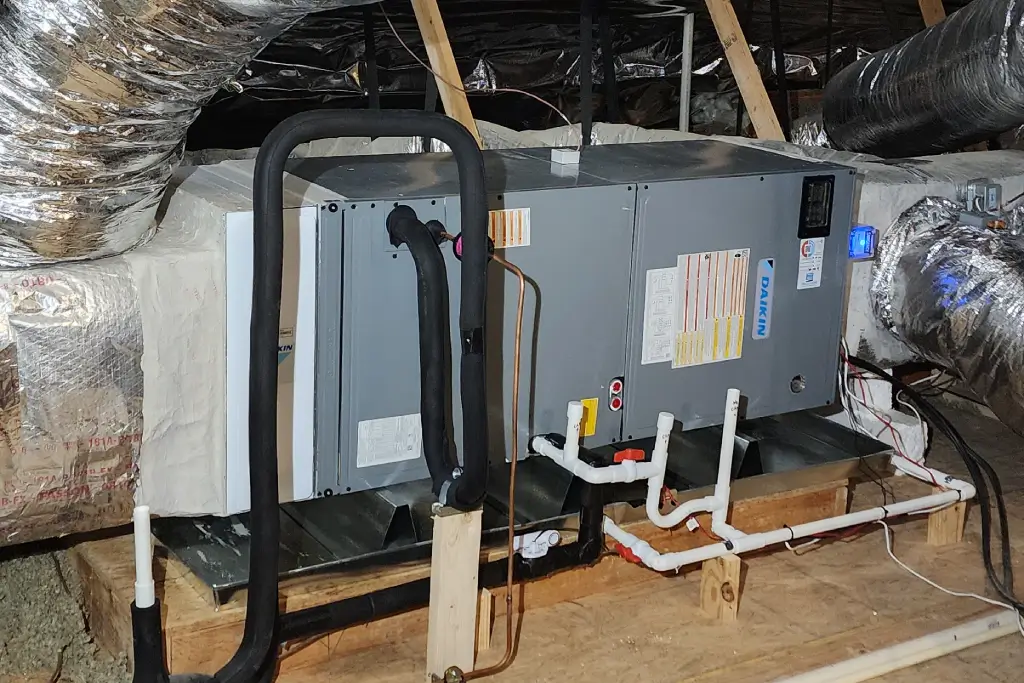
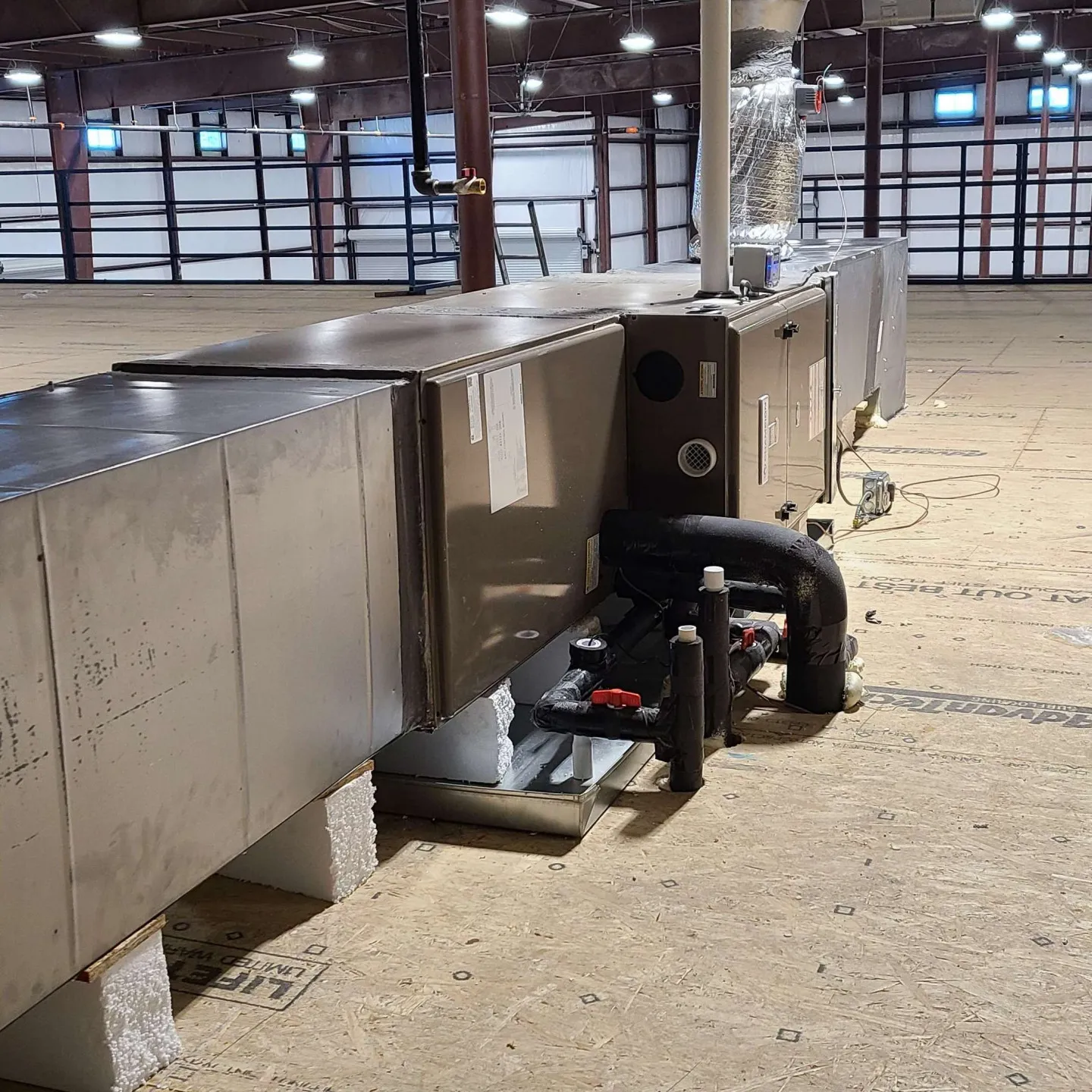
Furnace installation is the process of setting up a new heating system in your home, which includes selecting the appropriate unit, positioning it correctly, and connecting it to the existing ductwork and power supply for optimal performance.
What is furnace cleaning?
Furnace cleaning is the process of removing dust, debris, and other contaminants from your furnace system to ensure optimal performance and efficiency. Regular cleaning helps prevent breakdowns and extends the lifespan of your heating system.
What is furnace tune-up?
A furnace tune-up is a thorough inspection and maintenance service designed to optimize the performance and efficiency of your heating system. This process includes cleaning, adjusting, and testing various components to ensure safe and reliable operation.
How to repair furnace?
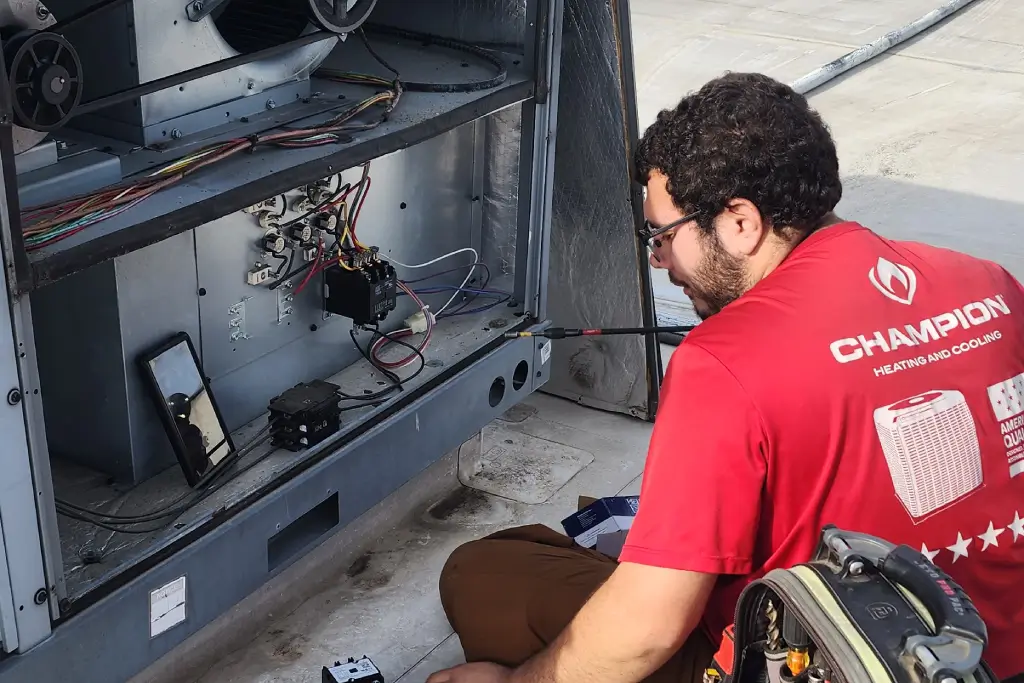
Repairing a furnace involves diagnosing the issue, checking the thermostat, inspecting the pilot light, and ensuring the filters are clean. If problems persist, it's advisable to contact a professional HVAC technician for safe and effective repairs.
Can heating be fixed?
Heating systems can be fixed. Our expert technicians at The Coolest Air can diagnose and repair various heating issues, ensuring your home stays warm and comfortable.
Can heating be installed?
Heating can be installed by our expert technicians at The Coolest Air. We provide professional installation services tailored to your home's specific needs, ensuring optimal comfort and efficiency.
Who offers furnace services?
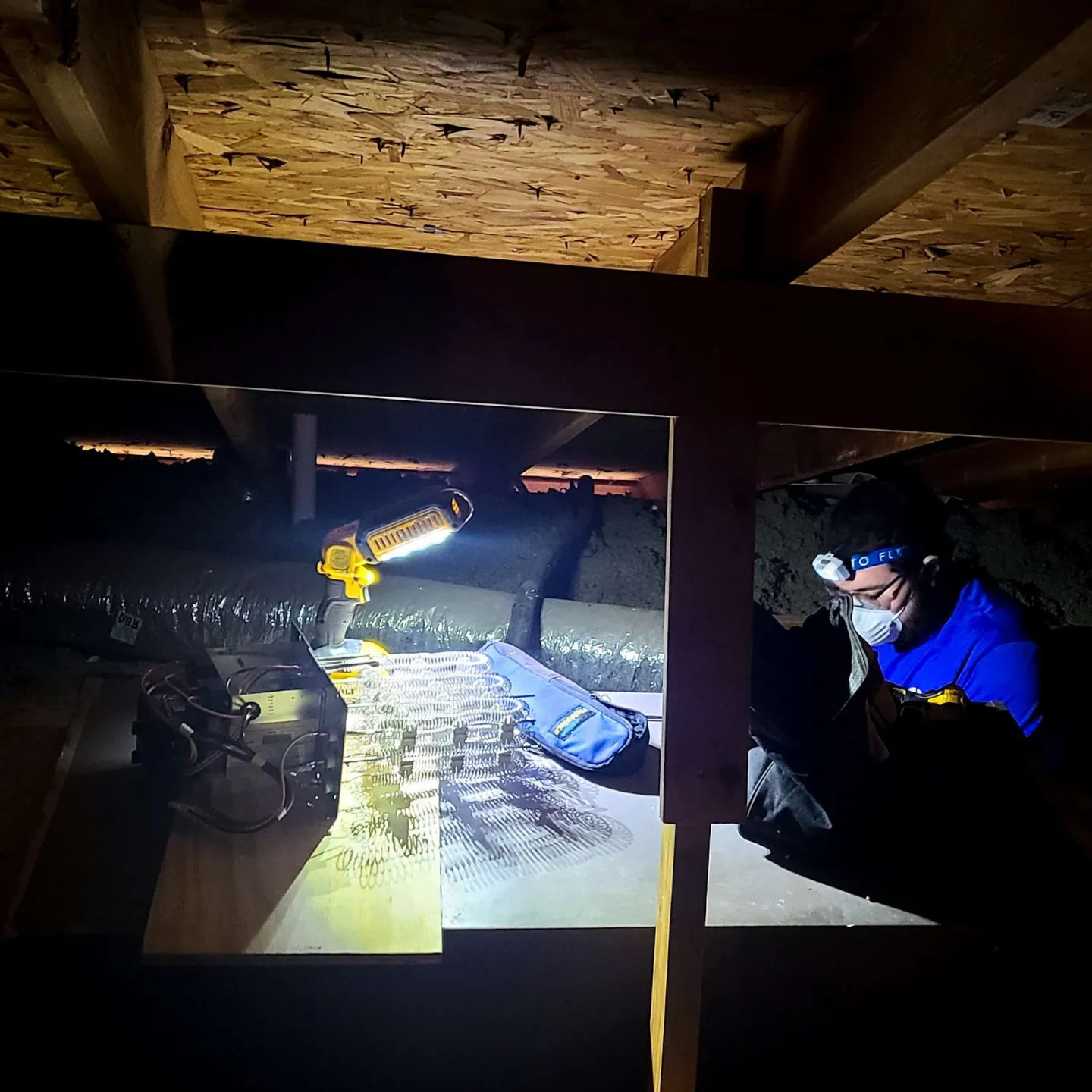
Furnace services are offered by HVAC professionals, such as The Coolest Air, who specialize in the installation, maintenance, and repair of heating systems to ensure your home stays warm and efficient.
What is furnace inspection?
A furnace inspection is a thorough evaluation of your heating system to ensure it operates efficiently and safely. This process includes checking components, identifying potential issues, and ensuring compliance with safety standards.
What is furnace repair?
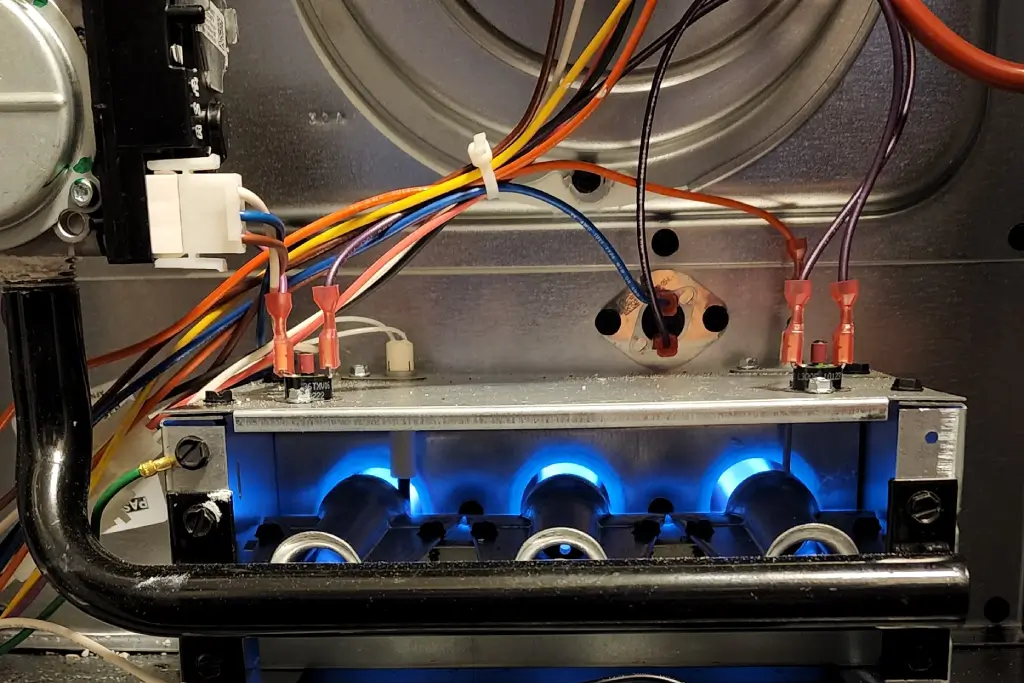
Furnace repair involves diagnosing and fixing issues with heating systems to restore their functionality and efficiency. This service ensures your home remains warm and comfortable, especially during colder months.
Is heating repair available?
Heating repair services are available at The Coolest Air. Our expert technicians are ready to assist with any heating system repairs you may need to ensure your home remains warm and efficient.
What are common furnace repair issues?
Common furnace repair issues include malfunctioning thermostats, dirty filters, pilot light problems, and unusual noises. These issues can affect heating efficiency and comfort, making timely repairs essential for optimal furnace performance.
How often should I clean my furnace?
Cleaning your furnace regularly is essential for optimal performance. It is recommended to clean your furnace at least once a year, ideally before the heating season begins, to ensure efficiency and safety.
What steps are involved in furnace installation?
The steps involved in furnace installation include assessing the home’s heating needs, selecting the appropriate furnace, preparing the installation site, connecting the system to ductwork and electrical sources, and finally testing the unit for proper operation.
What does a furnace tune-up include?
A furnace tune-up includes a thorough inspection of the system, cleaning of components, checking and adjusting the thermostat, testing safety controls, and ensuring optimal efficiency for reliable heating performance.
How can I identify furnace problems?
Identifying furnace problems involves noticing unusual noises, inconsistent heating, or frequent cycling. Additionally, check for strange odors or a yellow pilot light. If you observe any of these signs, it's best to contact a professional for a thorough inspection.
What are signs of a failing furnace?
The signs of a failing furnace include inconsistent heating, strange noises, frequent cycling on and off, increased energy bills, and the presence of strange odors. If you notice any of these issues, it's essential to seek professional help.
How long does furnace repair take?
The duration of furnace repair can vary depending on the issue, but most repairs typically take between one to three hours to complete. Factors such as the complexity of the problem and the availability of parts may influence this timeframe.
What is the cost of furnace cleaning?
The cost of furnace cleaning typically ranges from $75 to $200, depending on the service provider and the complexity of the job. It's best to contact The Coolest Air for a precise quote tailored to your specific needs.
When should I schedule furnace maintenance?
Scheduling furnace maintenance is essential before the heating season begins. Aim for a tune-up in early fall to ensure your system operates efficiently and reliably throughout the winter months.
What tools are needed for furnace repair?
The tools needed for furnace repair include a multimeter for electrical testing, screwdrivers for accessing components, a socket set for removing parts, and a vacuum for cleaning. Additionally, a manometer may be required for gas pressure checks.
How to choose a furnace service provider?
Choosing a furnace service provider involves evaluating their experience, customer reviews, certifications, and warranties. Ensure they offer comprehensive services, transparent pricing, and prompt customer support to guarantee reliable heating solutions for your home.
What are the benefits of furnace inspections?
The benefits of furnace inspections include improved efficiency, enhanced safety, and extended equipment lifespan. Regular inspections help identify potential issues early, ensuring your heating system operates optimally and reduces the risk of costly repairs.
How can I improve furnace efficiency?
Improving furnace efficiency involves regular maintenance, such as changing air filters, sealing duct leaks, and scheduling annual professional inspections to ensure optimal performance and energy savings.
What types of furnaces are available?
The types of furnaces available include gas, electric, and oil furnaces. Each type offers different efficiency levels and heating capabilities to suit various home heating needs.
What is the process for furnace replacement?
The process for furnace replacement involves assessing your current system, selecting a suitable replacement unit, removing the old furnace, and installing the new one, followed by testing for efficiency and safety.
How to troubleshoot furnace issues at home?
Troubleshooting furnace issues at home involves checking the thermostat settings, ensuring the power supply is on, inspecting the air filter for clogs, and verifying that the vents are clear. If problems persist, consider contacting a professional for assistance.
What safety measures are needed for furnace repair?
Safety measures needed for furnace repair include turning off the power supply, ensuring proper ventilation, using personal protective equipment, and verifying that the gas line is shut off. These precautions help prevent accidents and ensure a safe working environment.
How does furnace maintenance extend lifespan?
Furnace maintenance extends lifespan by ensuring optimal performance through regular inspections, cleaning, and timely repairs, which prevent breakdowns and enhance efficiency, ultimately reducing wear and tear on the system.
What are the best practices for furnace care?
The best practices for furnace care include regularly changing the air filter, scheduling annual professional maintenance, and keeping the area around the furnace clear of debris. These steps ensure efficient operation and prolong the lifespan of your heating system.