

Complete Winter HVAC Tune-Up & Maintenance Checklist
Winterizing your HVAC means taking a few targeted steps so your heating equipment, controls, and safety devices work reliably and efficiently when temperatures drop. Preparing your system ahead of time helps reduce wasted energy, avoids surprise breakdowns during cold snaps, and lowers safety risks like carbon monoxide exposure — even here in milder Killeen, TX winters. This guide walks homeowners through what to do before the cold arrives, when to call a pro, and which simple checks you can handle yourself to protect comfort and indoor air quality. You’ll find local context, an outline of a typical furnace tune‑up, a short winterizing checklist, tips for outdoor units in Texas, and guidance on CO detectors and vents. We also explain how seasonal maintenance complements homeowner care to keep systems safe, efficient, and winter‑ready.
Why Is HVAC Winter Preparation Crucial for Killeen and Surrounding Areas?
Preparing your HVAC for winter means inspecting, servicing, and protecting heating equipment and related components so they stay efficient, reliable, and safe through cooler weather. Killeen winters are usually mild, but occasional cold snaps increase heating demand and can reveal hidden weaknesses — so a little preseason work prevents emergency failures. Proper preparation also improves energy efficiency and comfort by making sure the furnace, thermostat, ducts, and filters are all doing their jobs, which cuts utility costs and equipment wear. Here are the three immediate reasons to act before temperatures fall. Killeen HVAC services are essential for winter preparation.
Winter prep delivers real, practical benefits:
- Energy savings: A well‑maintained system wastes less energy and lowers monthly bills.
- Reliability: A preseason tune‑up reduces the chance of unexpected breakdowns during cold spells.
- Safety: Inspections and vent checks help minimize carbon monoxide and other combustion hazards.
Doing these things now protects comfort and safety all season. The next section shows how a local technician can extend that protection with a professional furnace tune‑up.
If you want professional help, The Coolest Air serves Killeen and nearby communities with heating services and furnace tune‑ups — contact them to schedule a visit or get an estimate from a licensed technician. Contact them for heating repair.
What Are the Benefits of Winterizing Your Heating System?
Winterizing your heating system improves comfort, cuts costs, and boosts indoor air quality by addressing key components before they’re stressed. A tuned furnace operates more efficiently and cycles less, giving steadier heat and more even room temperatures. Cleaner filters and sealed ducts reduce dust and allergens while improving airflow, which reduces strain on blowers and heat exchangers. Routine checks catch small problems — loose wiring, worn belts, or minor leaks — before they become costly emergencies, extending equipment life and delaying replacement.
These improvements add up to more predictable home heating, and knowing what to look for at home makes it easier to decide when a professional heating service is needed.
How Does Local Climate Impact HVAC Winter Readiness?
Killeen’s climate — generally mild with occasional chilly periods — shifts winter prep toward system responsiveness and being ready for short‑term cold rather than extreme freeze protection. Because prolonged deep freezes are rare, schedule tune‑ups in early fall so your system is ready before the first cold snap; technicians will check ignition safety, combustion performance, and thermostat accuracy so the system responds when you need it. Brief but intense cold spells can cause rapid cycling and reveal clogged filters, marginal gas pressure, or duct leaks that might otherwise go unnoticed, so a focused preseason inspection reduces emergency calls. Local technicians who know Greater Killeen weather and common installation types can recommend thermostat programming and small upgrades that match how residents actually use heat during mild winters.
Timing tune‑ups with local seasonal patterns helps avoid unnecessary visits while keeping your system prepared for the area’s weather swings.
How to Schedule and What to Expect from a Professional Furnace Tune-Up Service
A professional furnace tune‑up is a scheduled maintenance visit where a certified technician inspects, cleans, and tests core components to restore safe, efficient operation before heavy use. Aim for an annual tune‑up in early fall or before the first sustained cold stretch, or call sooner if you notice uneven heating, frequent cycling, strange noises, or rising energy bills. When booking, provide basic system details (make/model and age if known) and ask the tech to include safety and performance checks; giving a clear appointment window and access instructions helps the visit run smoothly. Below is what homeowners can typically expect during a professional furnace tune‑up.
What a standard tune‑up usually includes:
- Safety inspection and combustion testing: The tech inspects the heat exchanger and checks combustion efficiency and carbon monoxide risk.
- Cleaning and filter checks: Burners and heat exchangers are cleaned and filters are checked or replaced.
- Electrical and mechanical checks: Wiring, belts, blower operation, and controls are tightened, adjusted, and lubricated where needed.
- Thermostat calibration and system test: The thermostat is calibrated and the system is run to confirm safe, even operation.
These steps cut emergency repairs and extend equipment life by fixing small issues before they get worse. The next subsection breaks down the specific inspection tasks a technician performs.
What Does a Comprehensive Furnace Inspection Include?
A comprehensive furnace inspection blends safety diagnostics, mechanical servicing, and performance tuning so the unit runs reliably and efficiently. The technician starts with a visual check of the heat exchanger and a combustion test to spot cracks or improper combustion that could produce carbon monoxide, then confirms vent and flue integrity for safe exhaust. They’ll inspect and clean burners, test the ignition or pilot, and measure electrical connections and motor performance while checking the blower for dust that reduces airflow. Finally, the tech calibrates the thermostat, verifies airflow at registers, and runs a full operational test to listen for abnormal noises or cycling; repairs that require a license are noted, while minor fixes may be completed on the spot.
Knowing these inspection steps helps homeowners see why professional tools and training matter for safety and long‑term performance.
Why Choose The Coolest Air for Your Furnace Tune-Up in Killeen?
Choosing a local provider who understands Greater Killeen installations and weather shortens response times and makes maintenance recommendations more relevant. The Coolest Air serves Killeen, Harker Heights, Copperas Cove, and Kempner, with technicians trained to perform furnace tune‑ups, safety inspections, and seasonal maintenance. Their local experience helps identify common regional issues and prioritize checks that prevent likely failures during Texas cold snaps. They also offer free replacement estimates to help you plan for eventual upgrades. Homeowners who prefer licensed technicians for safety and warranty reasons often find local pros offer both convenience and the right context for reliable service.
This local perspective leads into a practical homeowner checklist that pairs DIY tasks with items best left to a pro.
What Are the Steps in a Complete Winterizing HVAC Checklist?
Winterizing your HVAC mixes homeowner tasks and professional services into a simple ordered checklist so you don’t miss anything important. Start by scheduling a professional furnace tune‑up, then take care of filter changes, thermostat programming, duct checks, outdoor‑unit care, and carbon monoxide detector tests to cover safety and efficiency. The numbered list below gives a clear 1–7 checklist you can use to prioritize work before winter.
A practical winterizing checklist:
- Schedule a furnace tune‑up: Book a certified technician to inspect combustion, the heat exchanger, and controls.
- Change or clean air filters: Replace disposable filters or clean reusable ones to restore airflow and indoor air quality.
- Program the thermostat: Set setback schedules or enable smart routines to cut energy use during absences.
- Inspect and seal ductwork: Check common leak spots and seal visible gaps to prevent heat loss.
- Protect outdoor units: Clear debris and follow manufacturer guidance on covers or winter care.
- Test carbon monoxide detectors: Verify detectors and batteries so CO risks are caught early.
- Clear vents and registers: Remove obstructions to keep airflow balanced between rooms.
Below is a quick comparison of key components, inspection frequency, and which actions homeowners can take versus those best handled by a pro to help you prioritize.
| Component | What to Check | Who Should Act |
|---|---|---|
| Furnace / Heat exchanger | Visual cracks, combustion, ignition, burners | Professional inspection annually |
| Heat pump / Outdoor unit | Coil cleanliness, refrigerant lines, defrost operation | Homeowner basic clearance; professional for servicing |
| Thermostat | Accuracy, programmable schedule, sensor placement | Homeowner can program; pro for calibration |
| Air filter | Dirt buildup, MERV rating, replacement frequency | Homeowner monthly/quarterly replacement |
| Ductwork | Visible gaps, insulation, airflow leaks | Homeowner inspection; professional sealing if extensive |
How to Change or Clean Air Filters for Optimal Winter Performance
Filter maintenance is one of the simplest, highest‑impact tasks you can do to keep airflow, efficiency, and indoor air quality steady through winter. Locate the filter slot — usually at the return grille or inside the furnace access panel — and turn the system off before removing the filter. Check it for dirt, discoloration, or restricted airflow; disposable filters should be replaced per the manufacturer (often every 1–3 months depending on use), while reusable filters should be cleaned and fully dried before reinstalling. Choose a MERV rating that balances filtration and airflow — higher MERVs trap finer particles but can restrict flow if your system isn’t designed for them, so check manufacturer guidance or ask a technician for long‑term IAQ upgrades.
Regular filter checks improve comfort and reduce blower strain. The next section covers thermostat strategies that add to your energy savings.
How to Optimize Thermostat Settings for Energy Efficiency During Winter
Optimizing your thermostat saves energy while keeping you comfortable by using setback schedules and smart features to match heating with when people are home. A common approach is a modest setback of 4–6°F for about eight hours (overnight or while away) to see noticeable savings without sacrificing comfort. Programmable and smart thermostats automate schedules and allow remote changes, and features like adaptive learning or geofencing fine‑tune heating to your routine. Simple tips: avoid constant manual overrides, place the thermostat away from heat sources, and consider zoning where available to avoid heating unused areas.
Pairing smart thermostat habits with mechanical maintenance delivers immediate and ongoing winter energy savings.
How to Protect and Maintain Outdoor HVAC Units During Winter
Outdoor‑unit care lowers winter damage risk and keeps systems efficient by focusing on clearance, sensible protection, and safe electrical checks. In Texas, keeping debris cleared and ensuring water can drain away prevents corrosion and reduces compressor stress during cold snaps. Be careful with covers: many systems and heat pumps need airflow and should not be fully wrapped; a light shield or top cover that blocks large debris while allowing drainage and ventilation is usually better. Include an outdoor‑unit check in your professional tune‑up so refrigerant levels, electrical disconnects, and condensate lines are evaluated for winter readiness.
Basic homeowner precautions cut service calls. The table below lists common outdoor issues and simple preventative actions.
| Outdoor Unit Issue | Common Cause | Preventative Step |
|---|---|---|
| Debris buildup | Leaves, grass, storms | Clear vegetation and keep 2–3 feet clearance |
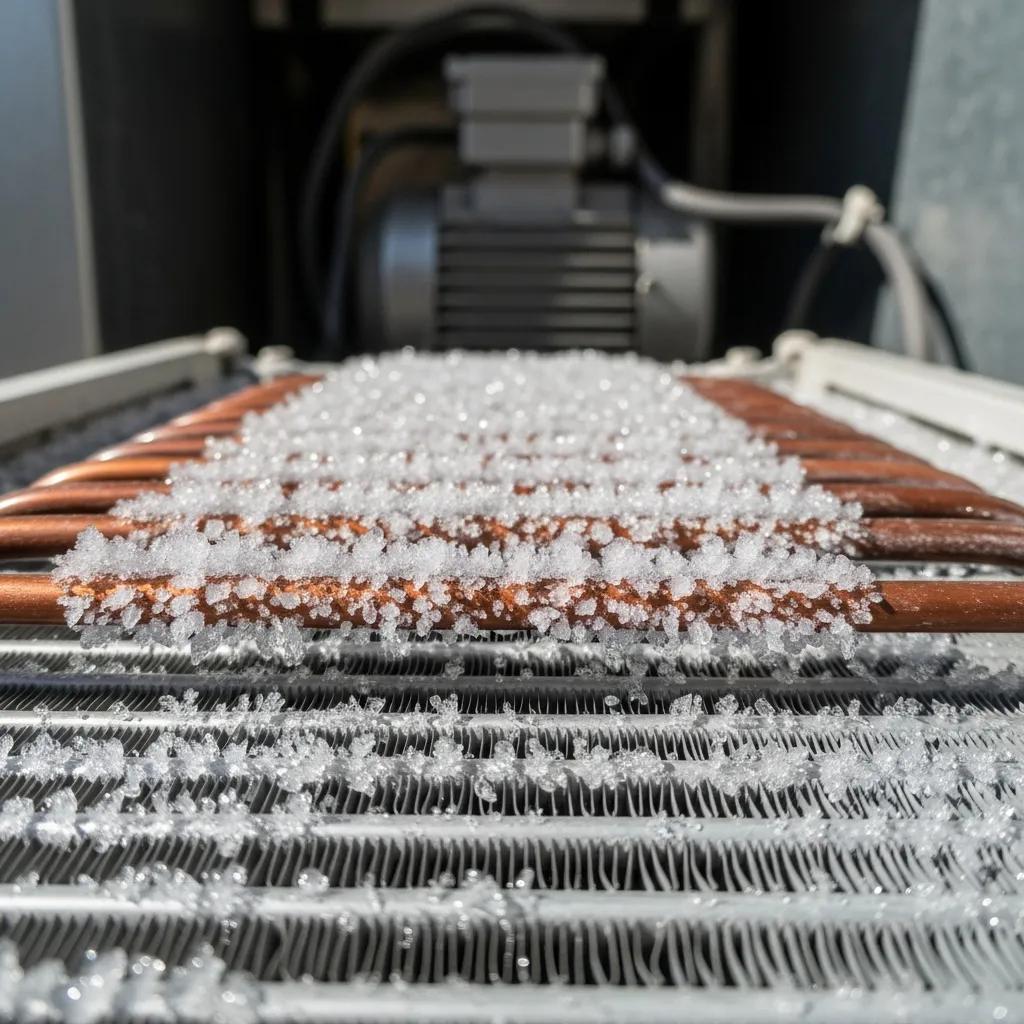
| Freeze or ice accumulation | Cold snaps, poor drainage | Ensure airflow; avoid full covers for heat pumps |
| Electrical damage | Corroded disconnects or wiring | Inspect disconnects and schedule a pro electrical check |
| Clogged condensate line | Debris or algae | Flush lines seasonally or have a pro clear blockages |
What Are the Best Practices for Winterizing Your AC Unit in Texas?
In Texas, winterizing an AC unit focuses on clearing the area, using covers carefully, and basic checks rather than the full winter shutdown used in colder regions. Remove leaves, branches, and grass clippings, and trim shrubs so the unit has at least two feet of clearance. Avoid fully wrapping heat pumps and many modern units since they often need airflow and occasional operation; instead, use a breathable top cover or shield to block large debris while allowing drainage and ventilation. Check the electrical disconnect for corrosion and tighten loose panels; if you plan to shut power off for extended cold, consult a technician for the correct steps for your model.
These targeted steps protect the unit without trapping moisture or blocking airflow. Properly sealed ducts also cut heat loss, as described next.
How to Inspect and Seal Ductwork to Prevent Heat Loss
Start duct inspection with a visual check of accessible runs in attics, crawlspaces, and utility rooms to spot loose joints, disconnected sections, or failing sealant where warm air can escape. Typical leak locations include joints near plenums, fittings behind air handlers, and flexible‑duct transitions. Run the system and feel seams for drafts or look for unusually cold attic surfaces near ducts. For DIY sealing, use mastic sealant or UL‑listed foil tape (not cloth duct tape) for visible gaps, and add insulation to exposed ducts in unconditioned spaces to cut conductive loss. Extensive leaks, damaged insulation, or major rerouting deserve professional duct sealing and testing to restore performance and balance airflow.
Good duct sealing improves comfort in problem rooms and reduces blower run time — which ties directly into safe operation of indoor combustion appliances covered next. You can find more information on duct cleaning.
How to Ensure Safety with Carbon Monoxide Detector Checks and Vent Maintenance
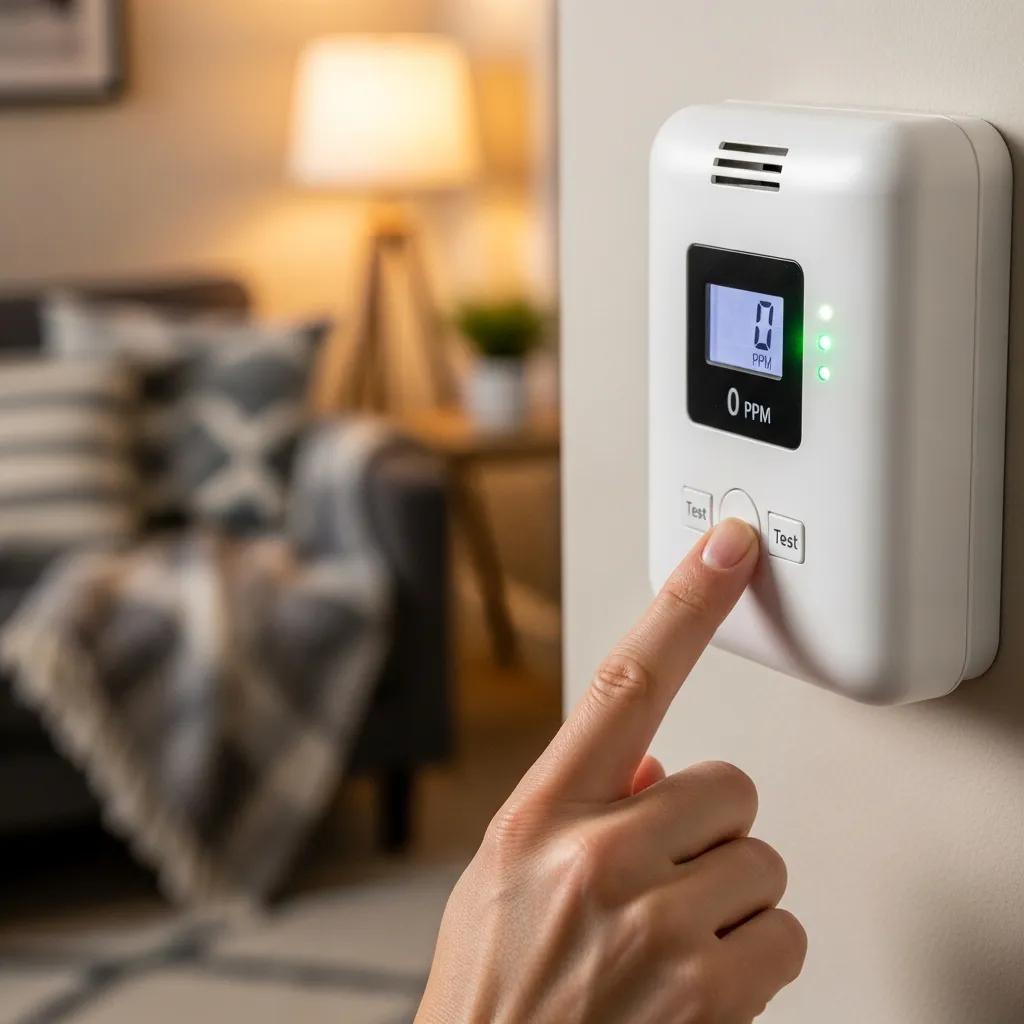
Safety hinges on working CO detectors, clear combustion vents, and knowing CO symptoms and emergency steps. Carbon monoxide is a colorless, odorless gas from incomplete combustion; regular detector testing and proper venting lower the chance of undetected CO buildup in closed homes during winter. Test detectors monthly, replace batteries per manufacturer instructions, and replace the detector at the end of its service life. The table below matches common hazards with recommended actions so you can quickly see when to act and when to call a technician.
| Hazard | Risk | Recommended Action |
|---|---|---|
| Carbon monoxide from combustion | CO poisoning | Test detectors monthly; evacuate and call emergency services if an alarm sounds |
| Blocked vent or flue | Backdrafting and CO buildup | Inspect and clear vent terminations; schedule a pro inspection if blockage is suspected |
| Cracked heat exchanger | CO leakage | Do not operate the furnace; arrange immediate professional inspection |
Why Is Testing Carbon Monoxide Detectors Vital in Winter HVAC Preparation?
Testing CO detectors is crucial because winter conditions — closed windows, more furnace runtime, and possible vent blockages — increase the chance an appliance issue will produce dangerous CO levels. Test each detector monthly using the test button and replace batteries yearly or when you hear the low‑battery chirp; replace the unit if it’s past the manufacturer’s recommended service life (usually 5–7 years). If an alarm sounds, evacuate people and pets immediately, move to fresh air, and call emergency services before reentering. Regular testing and swift evacuation procedures ensure quick detection and response, preventing the worst outcomes from CO exposure.
These safety steps are as important as efficiency checks, and keeping vents clear supports both goals.
How to Keep Vents and Registers Unobstructed for Safe Heating
Keeping vents and registers clear preserves airflow, reduces strain on the system, and prevents pressure issues that can affect combustion appliances and indoor air quality. Move furniture, rugs, curtains, and storage away from supply and return registers, and vacuum or brush grilles periodically to remove dust that restricts flow. Make sure room doors and transfer grills allow circulation; if a room stays cold despite open registers, a professional airflow balancing service can diagnose duct or register sizing issues. Clear vents improve comfort and reduce backpressure risks that can interfere with combustion and venting systems, reinforcing the need for CO detector checks and professional vent inspections when needed.
Routine vent maintenance plus detector testing creates a safer, more efficient heating setup.
What Are the Advantages of Professional HVAC Winter Services from The Coolest Air?
Professional winter HVAC services provide technical inspections, safety diagnostics, and local recommendations that DIY checks can’t match. The Coolest Air brings Greater Killeen experience to heating needs, offering technicians who perform furnace tune‑ups, safety inspections, and preventive maintenance suited to the regional climate. Their local listings note credentials like Daikin Comfort Pro partnership and BBB accreditation — signals of manufacturer training and formal trust — and they offer free replacement estimates so you can plan larger investments without surprise costs. Hiring pros for winter service reduces downtime, extends equipment life with timely repairs, and provides documented safety checks that give homeowners confidence through the season.
These professional benefits pair with the homeowner actions above and make scheduling a practical next step when you want expert support.
How Do Free Replacement Estimates Support Your Winter HVAC Needs?
Free replacement estimates let homeowners compare repair vs. replace scenarios without paying for an initial appraisal, helping you budget and time decisions before equipment fails. During an estimate, a technician assesses system condition, calls out components near end‑of‑life, and outlines expected costs and benefits of replacement versus repairs — helping you avoid emergency replacements during peak demand. Because estimates are free, you can plan efficiency upgrades, choose a right‑sized replacement, or explore financing without pressure. Homeowners who get free estimates can prioritize repairs or schedule replacements during off‑peak times to minimize disruption.
These estimates are a planning tool, not a requirement; contact the provider to request a formal estimate.
What Do Local Customers Say About Our Winter Heating Services?
Local reviews on company profiles and review sites give insight into reliability, technician professionalism, and response times; this guide doesn’t reproduce specific quotes. Look for verified reviews to learn how a provider performs on punctuality, clarity of recommendations, and follow‑through on winter maintenance. Common themes in public feedback include reliable scheduling during busy seasons, thorough safety checks, and clear explanations of repair vs. replace options — but always read original, attributed reviews to confirm specifics for your neighborhood and needs.
Checking verified reviews helps you choose a local service partner and set expectations for winter HVAC work.
- Schedule your furnace tune‑up and safety inspection early.
- Maintain filters and vents monthly during heavy use.
- Test carbon monoxide detectors monthly and replace batteries as needed.
If you’d rather have a professional handle tune‑ups, safety checks, or a free replacement estimate, contact The Coolest Air to book an appointment or request a local Greater Killeen‑area estimate.
Frequently Asked Questions
What should I do if my HVAC system is making unusual noises during winter?
Unusual noises can signal issues that need attention. Banging, rattling, or hissing may mean loose parts, airflow restrictions, or a failing motor. Don’t ignore new or loud sounds — schedule a professional inspection to diagnose the problem and keep your system running safely and efficiently through winter.
How often should I change my air filters during winter?
Check and change air filters every 1 to 3 months during winter, depending on how much you run your system and the filter type. Homes with pets or allergies may need more frequent changes. Clean filters help your HVAC run efficiently, lower energy costs, and keep indoor air comfortable.
Can I winterize my HVAC system myself, or should I hire a professional?
You can handle several winterizing tasks yourself — changing filters, programming the thermostat, and clearing outdoor debris. For furnace tune‑ups, safety inspections, and duct sealing, hiring a professional is recommended. Technicians have the tools and training to spot issues you might miss. A mix of DIY care and professional service is the best approach.
What are the signs that my HVAC system needs a professional inspection?
Schedule a professional inspection if you notice uneven heating, strange noises, higher energy bills, or frequent cycling. These signs can point to problems that, if left unchecked, become more expensive. A technician can diagnose the issue and recommend the right repairs or maintenance.
How can I improve the energy efficiency of my HVAC system during winter?
Improve energy efficiency by optimizing thermostat settings, sealing ductwork, and ensuring proper home insulation. Lowering the thermostat a few degrees at night or when you’re away can yield meaningful savings. Regular filter changes and professional tune‑ups also boost performance and comfort.
What should I do if my carbon monoxide detector goes off?
If a CO detector alarms, evacuate everyone and pets immediately and get to fresh air. Once safe, call emergency services. Do not re‑enter until professionals say it’s safe. Regular detector testing is especially important in winter when heating systems run more often.
Is it necessary to cover my outdoor HVAC unit during winter?
In Texas, you usually don’t need to fully cover the outdoor unit. Focus on clearing debris and keeping drainage good to avoid moisture issues. Many heat pumps need airflow and periodic operation, so a breathable cover or light shield is often better than wrapping the unit. Check your manufacturer’s recommendations before covering anything.
Conclusion
Getting your HVAC ready for winter improves energy use, reliability, and safety. Follow the maintenance steps in this guide and consider professional help when needed to reduce the chance of unexpected breakdowns and keep your home comfortable. Don’t wait for the first cold snap — take action now to protect your home and family. Contact The Coolest Air to schedule your furnace tune‑up and make sure your heating system is ready for winter.